

Pai is one of those places with a relaxed yet wild vibe. It’s got its reputation as a place for backpackers taking a gap year to tune out and lounge around in a reggae bar.
But the Big White Buddha in Pai is a little more serious in a way the rest of Pai isn’t. You won’t hear music up there. Just the wind, and maybe the footsteps of others making the same journey up its steps. It’s the kind of place where people take a moment to reflect.
In this guide, I’ll share everything you need to know before visiting the Big White Buddha in Pai, including how to get there and what to expect when you arrive.
Big Buddha Pai Complete Guide
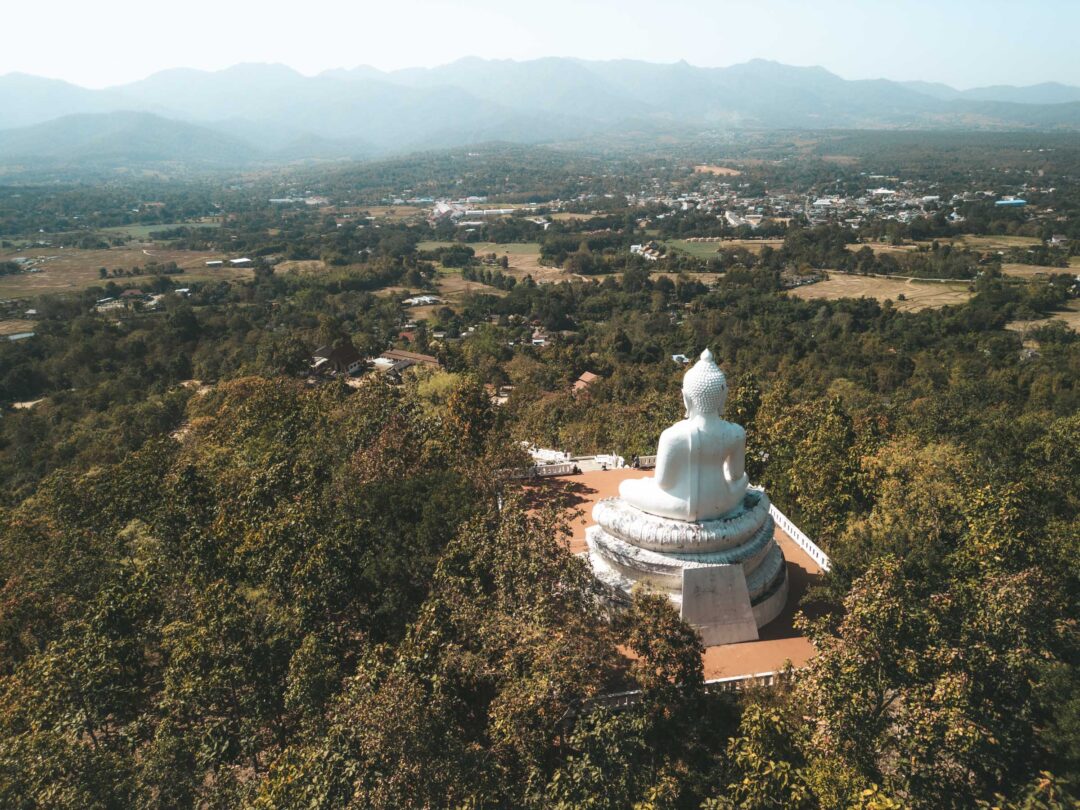
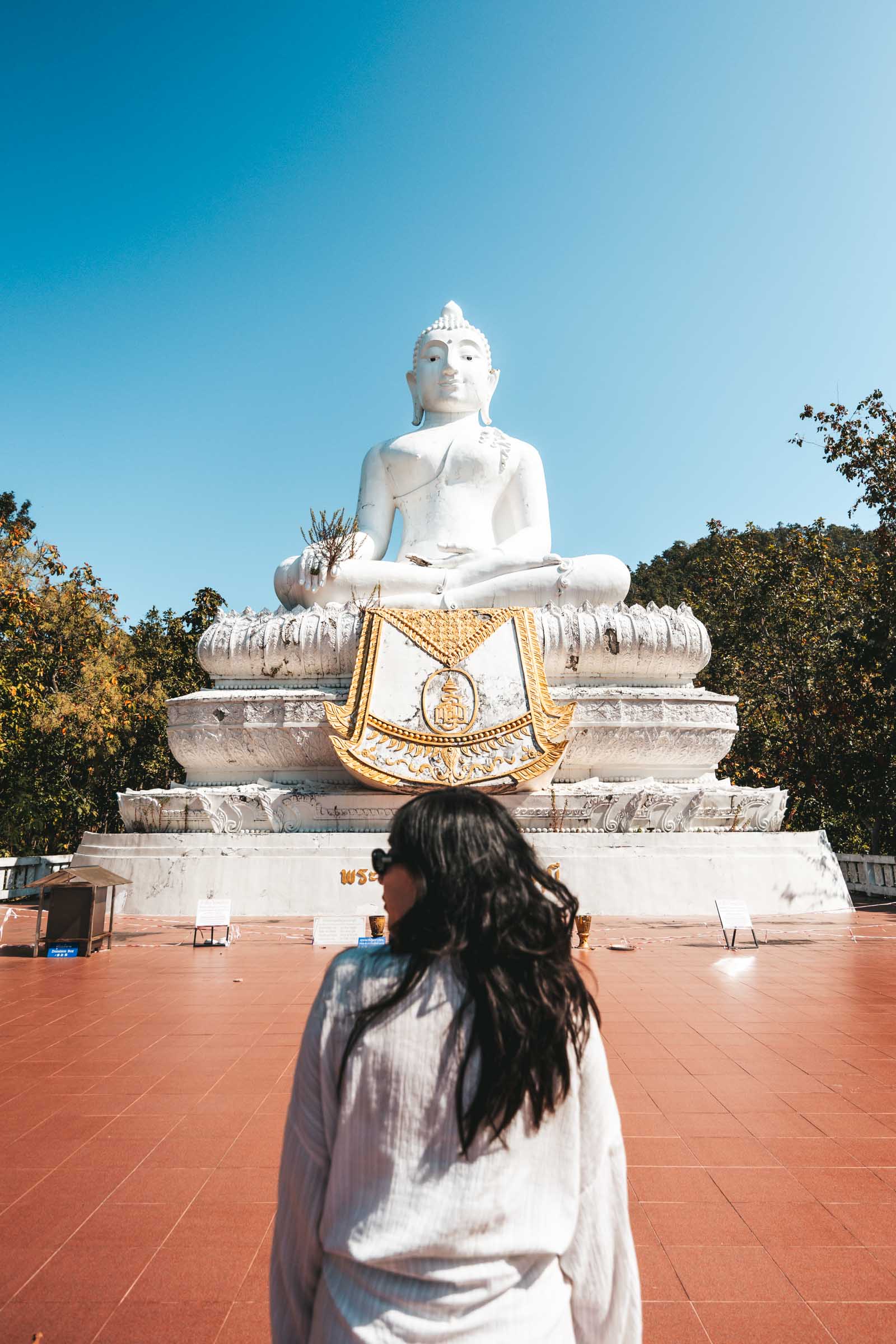
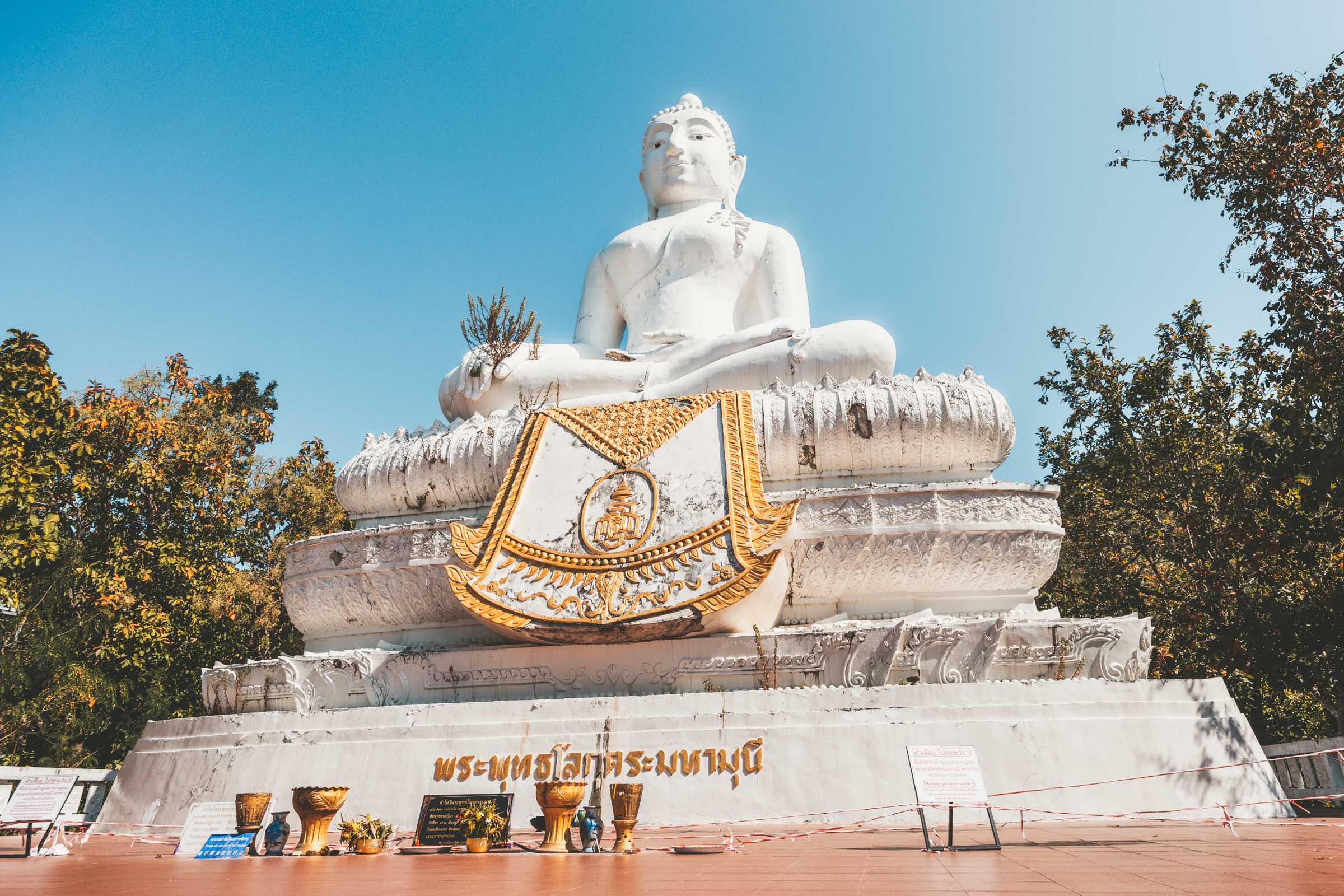
The Big White Buddha is one of the most recognizable landmarks in Pai. It’s part of Wat Phra That Mae Yen, a hillside temple that looks out over the Pai valley.
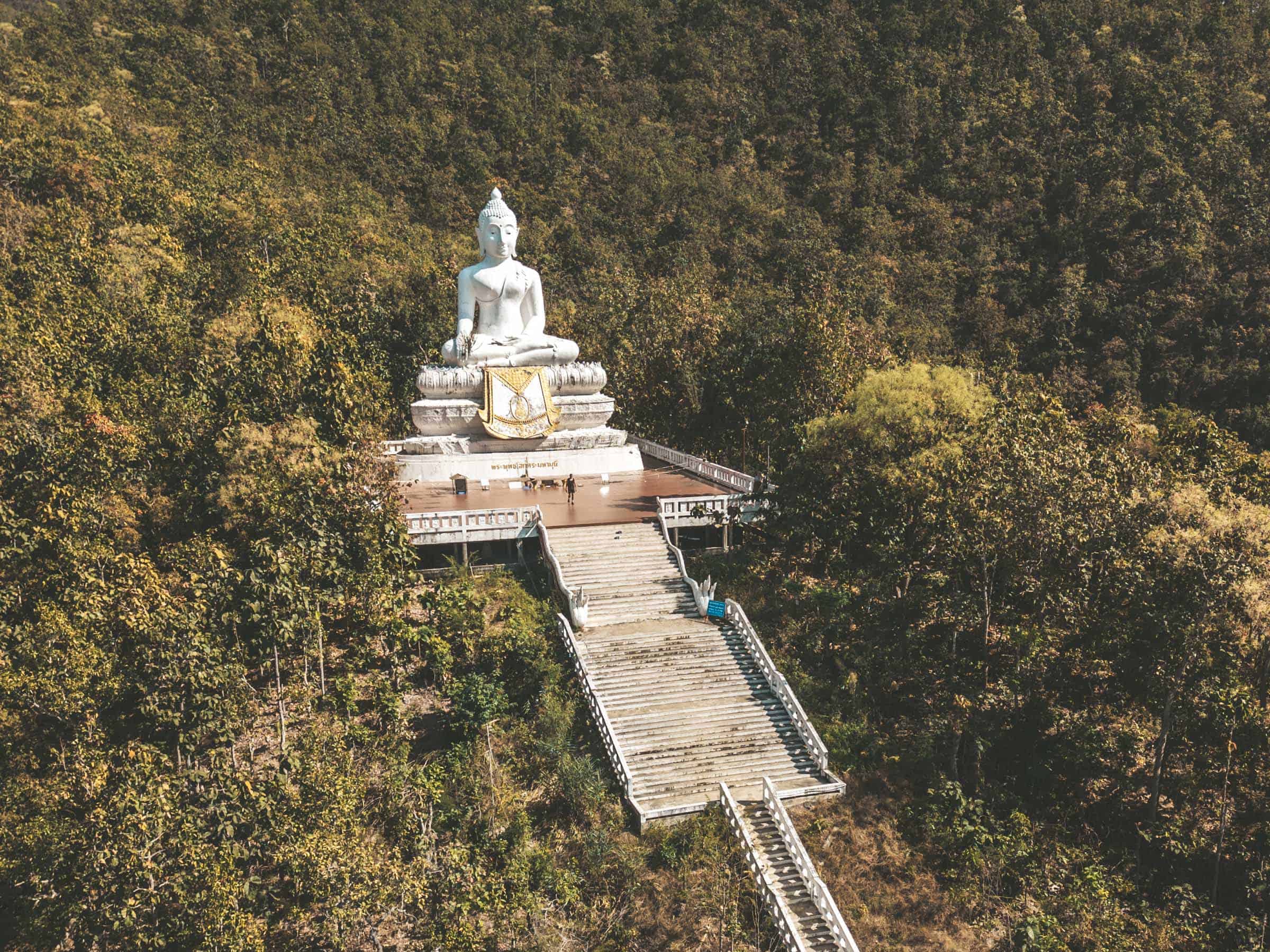
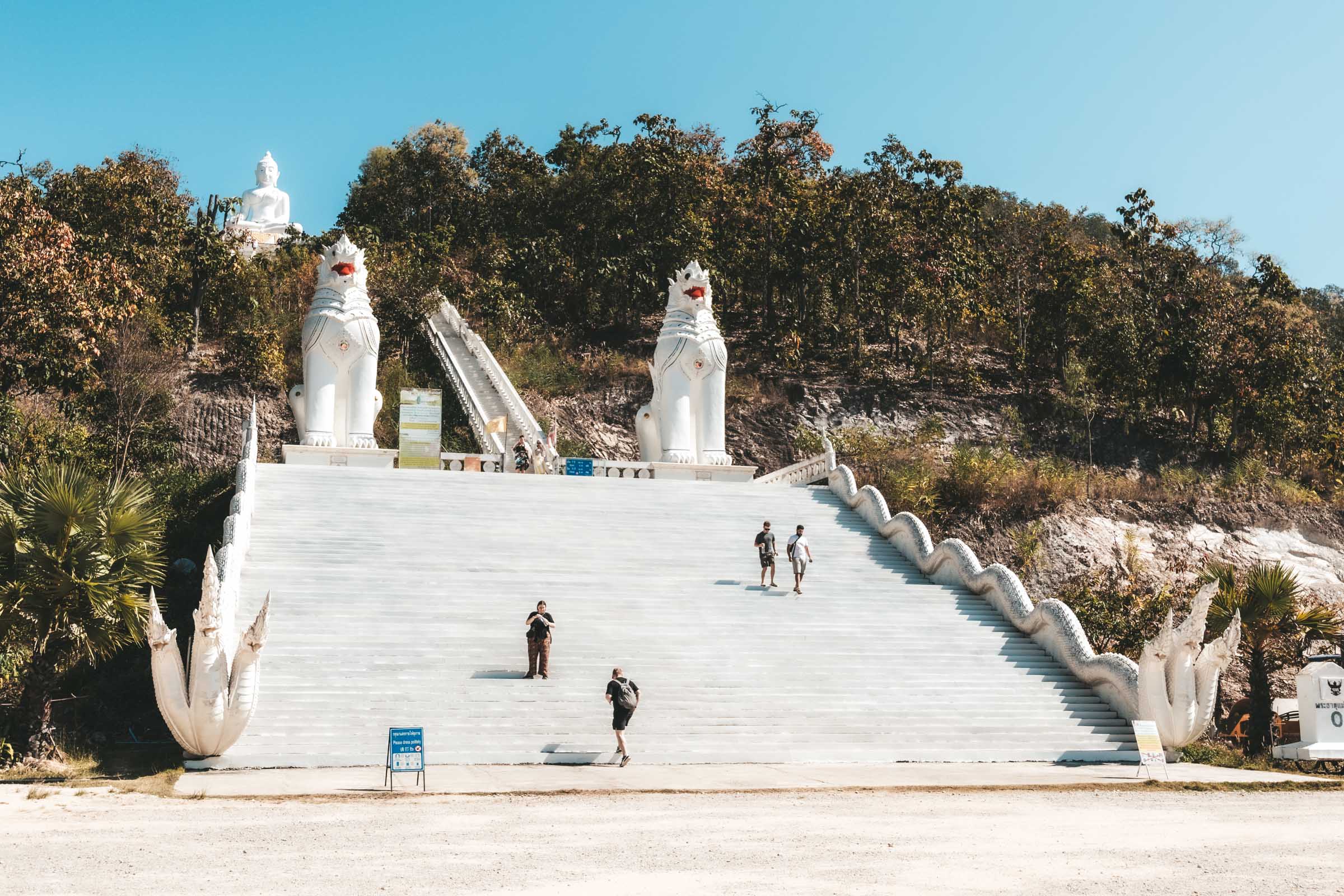
The Buddha sits at the top of a long white staircase. It’s visible during the climb so you’ll always know how much further you need to go. There are about 350 steps from the parking area to the Buddha, and the climb takes about 10 minutes.
The best time to visit the Big Buddha is in the early morning when the weather is cooler. On some mornings, the Pai valley becomes blanketed with fog, so the Big Buddha rises above the sea of clouds. We visited the Big Buddha in the middle of the day. It was hot but still worth it.
There’s no fee to visit the Big Buddha, but you do need to cover your shoulders and knees if you plan to visit the temple or step onto the Buddha’s platform. I also recommend wearing a hat because there is zero shade in the area.
How to get to the Big Buddha in Pai
The Big Buddha sits on a hillside just east of Pai. You can actually see it from a few parts of town, especially from Rat Damrong Road in the evening when the massive white statue catches the light.
Getting to the Big Buddha is simple. From the center of Pai, it’s about a 10-minute motorbike ride or around 20 minutes by bicycle. If you’re feeling up for it, you can even walk there. It’s about 2 km from town. The road is in good shape but it does get a little steep toward the end.
On the day we visited the Big Buddha, we had breakfast at Earth Tone which happens to be just down the road from the Buddha. After eating, we hopped on our motorbike and cruised a couple of minutes uphill to the parking area at the base of the stairs.
The map marker below is accurate and can be used to navigate to the Big Buddha.
Big Buddha Pai: Our Experience
I first spotted the Big Buddha from the Yun Lai Viewpoint. We were on the other side of Pai Valley, so it was quite small. But it’s a massive white statue so it was unmistakable.
But funny enough, as we got closer, the statue disappeared from view. Trees and hills blocked it out from our view until we pulled into the parking lot. And just like that, there it was. Towering above us.
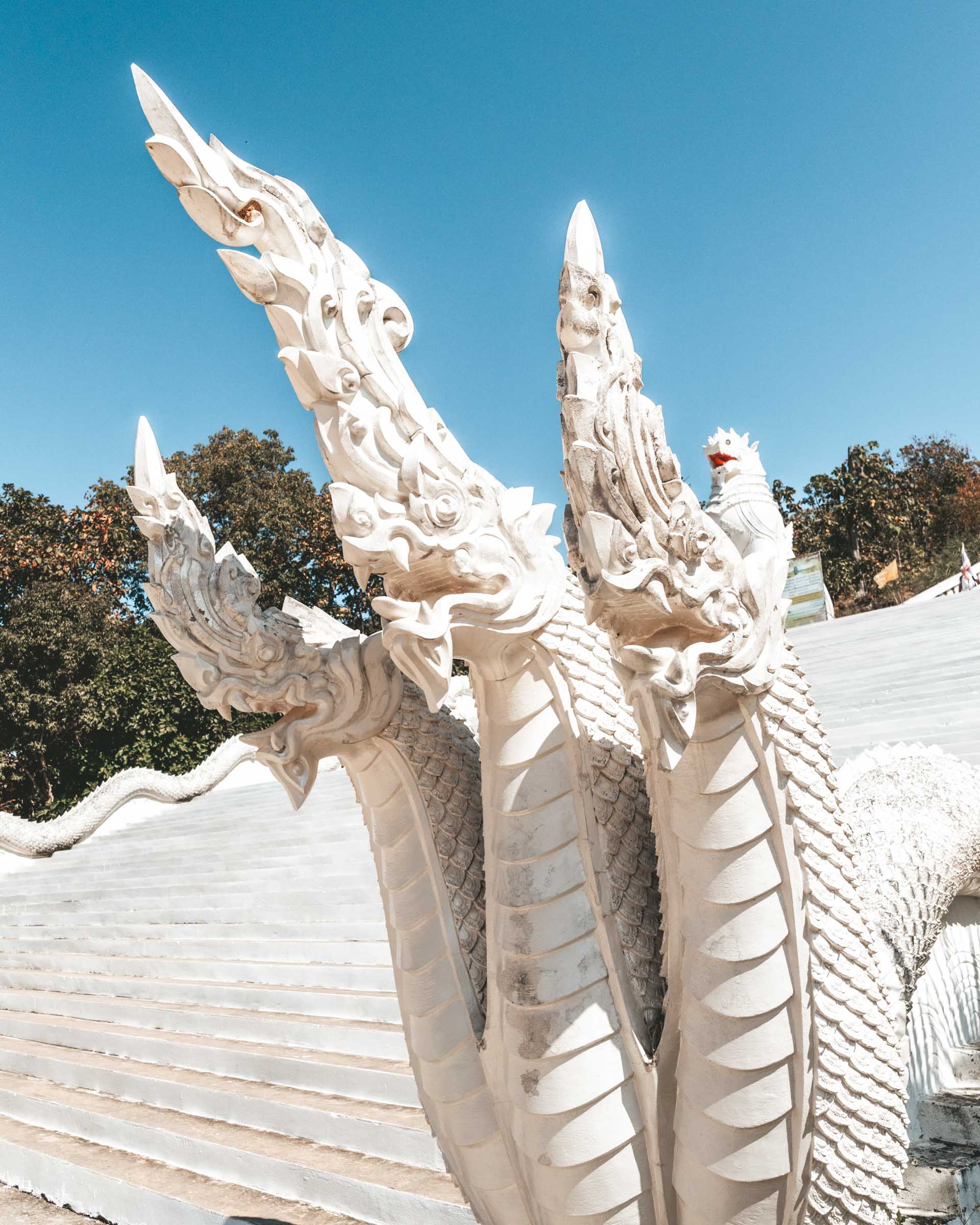
At the base was a wide white staircase flanked by 3-headed serpent statues railing up the sides. We paused at the bottom for a moment, looking at the climb ahead of us. It was hot.
We began our climb and quickly reached the top of the first flight of stairs. Two massive lion statues sat there.
As we continued our climb, we didn’t rush. After about halfway up, we turned around to take a look at the view behind us. I paused for a moment to take it all in. From this vantage point, you can really see how Pai is just a valley with fields, surrounded by low mountains.
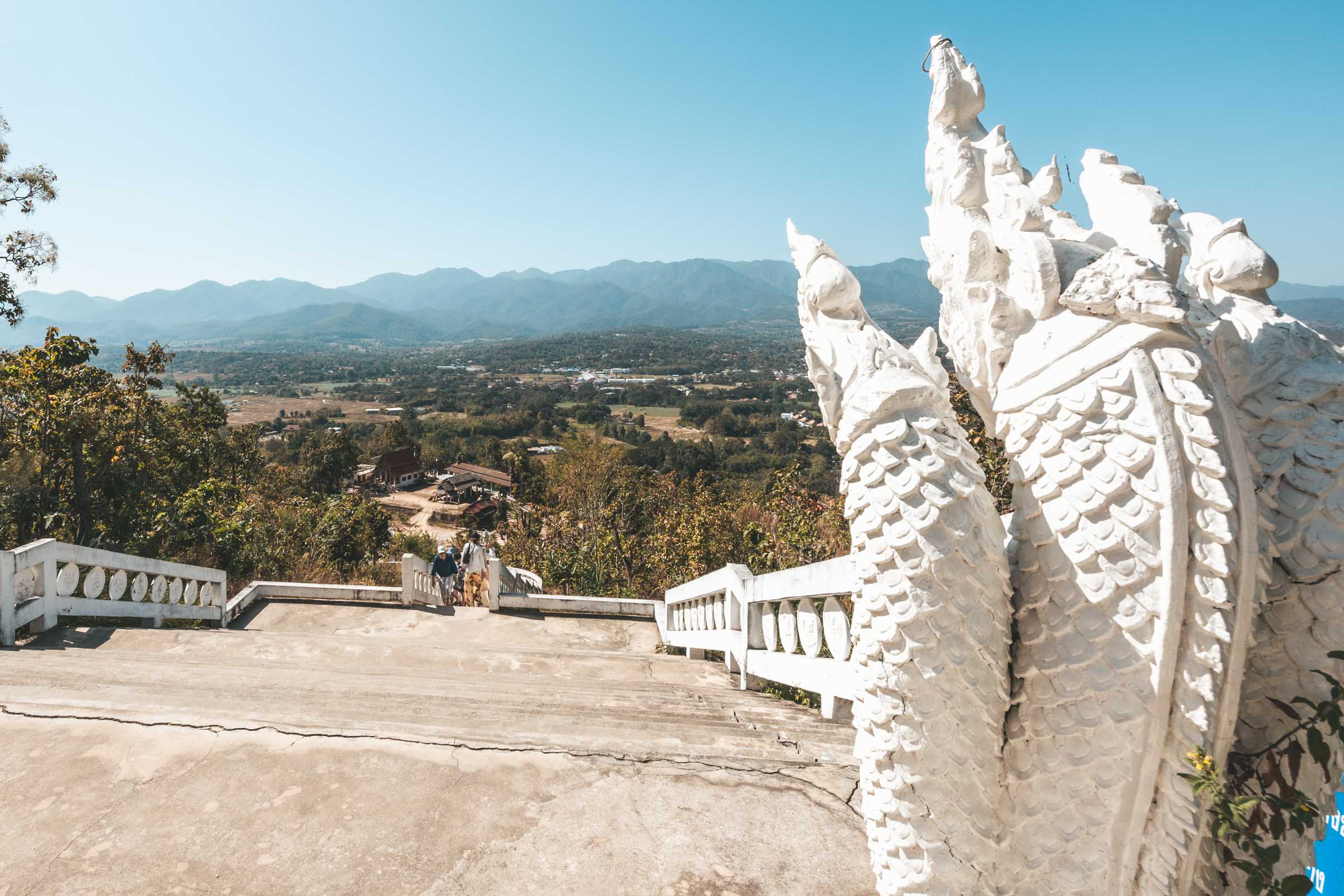
By the time we reached the top, we were just starting to feel it. The climb is short enough not to be tiring, but just long enough to make us feel like we earned it.
We took off our shoes and stepped onto the flat white surface in the presence of the massive white Big Buddha.
There were a few others up there, but no one spoke. It felt like everyone understood this place was made for reflection. Just a quiet place built for people to stop and see something bigger than themselves.

Where to Stay in Pai
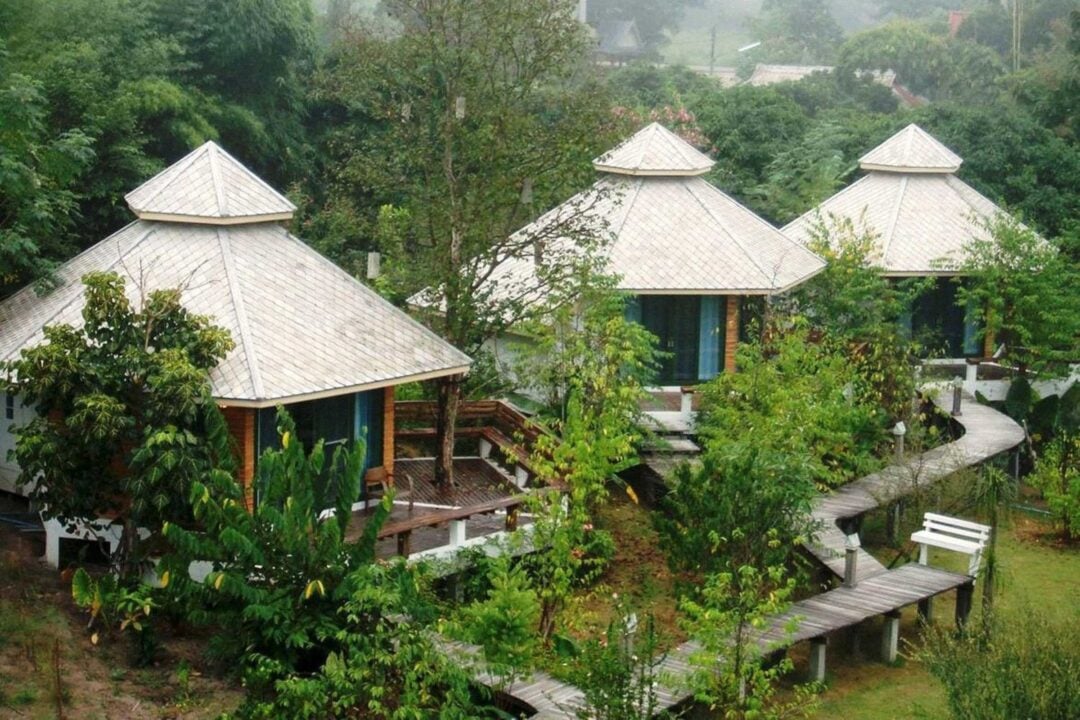
Wiang Tai (Central Pai) is the heart of Pai and where most of the town’s accommodations are located. It’s where you’ll find Pai’s walking street, night market, cafes, bars, restaurants, scooter rentals, shops, and pretty much everything you’ll need for your stay. It is the easiest place to base yourself if you want to be in the center of the action and Pai’s social scene.
Here are our recommendations on where to stay in Wiang Tai:
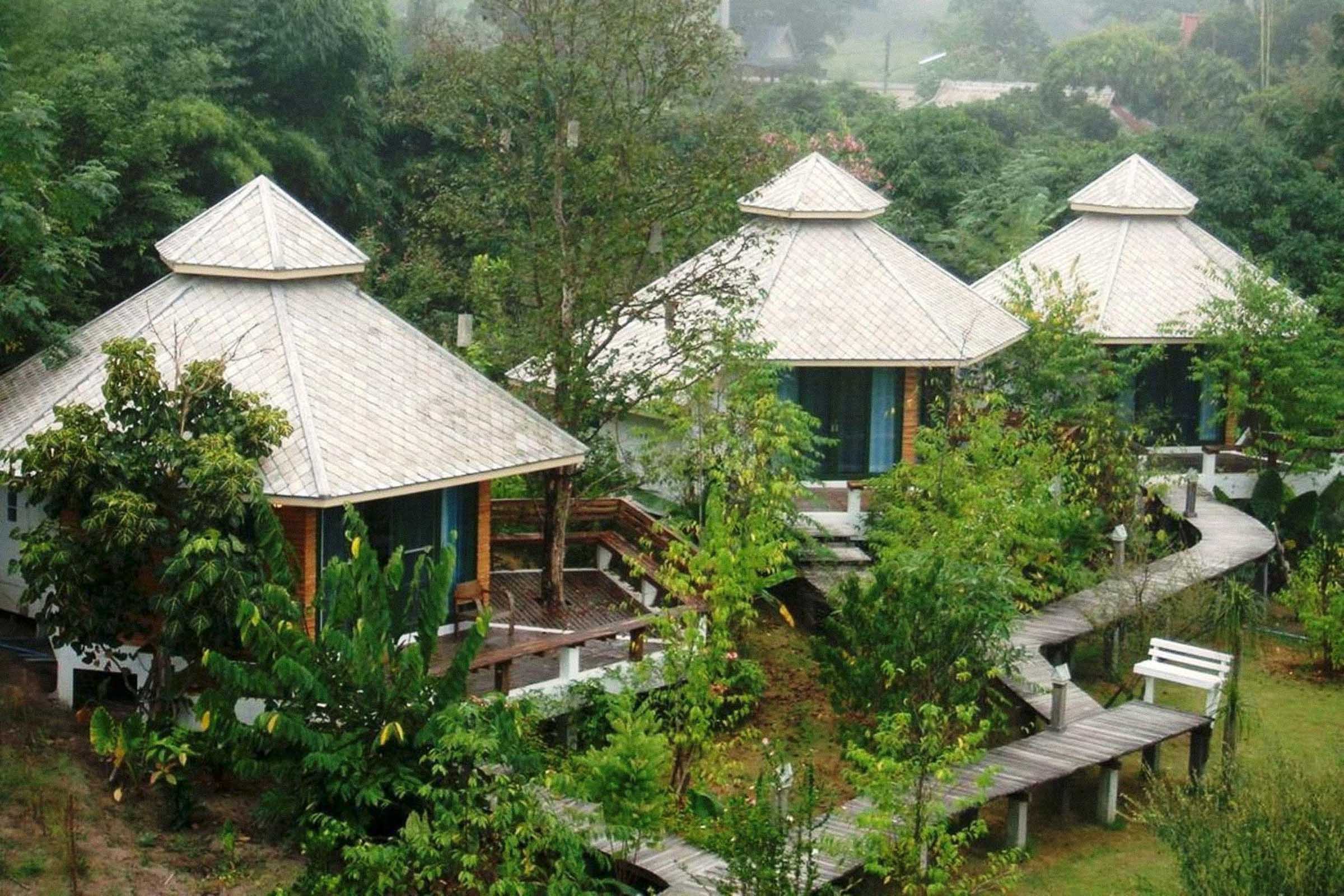
If you’re looking for a more rural area with a free-spirited vibe, then Mae Hai is a better fit. It’s a big area that’s adjacent to Central Pai. Some parts of it sit deep in the countryside amongst rice fields, country roads, and wide open views.
Here are our recommendations on where to stay in Mae Hai:
If you prefer to find your own place to stay, you can visit Booking.com to explore all your accommodation options in Pai.

Our Free Pai Google Maps Locations
Want a free map of all of the locations mentioned in this post? Sign up in the box below and we’ll deliver one right to your inbox, plus our top tips to help you plan your Pai trip!
Are You Following Our Pai Blog Series?
We spent 7 days in Pai and found so many things to do there… from canyons to mountains, waterfalls, and hot springs. To help fellow adventurers, we’ve put together guides to the best places we found. You can check them out by clicking the links below.
- Start planning your trip here: Pai Travel Guide
- Our ultimate guide to Pai: 14 Incredible Things to Do in Pai
- Our Pai accommodation guide: Where to Stay in Pai
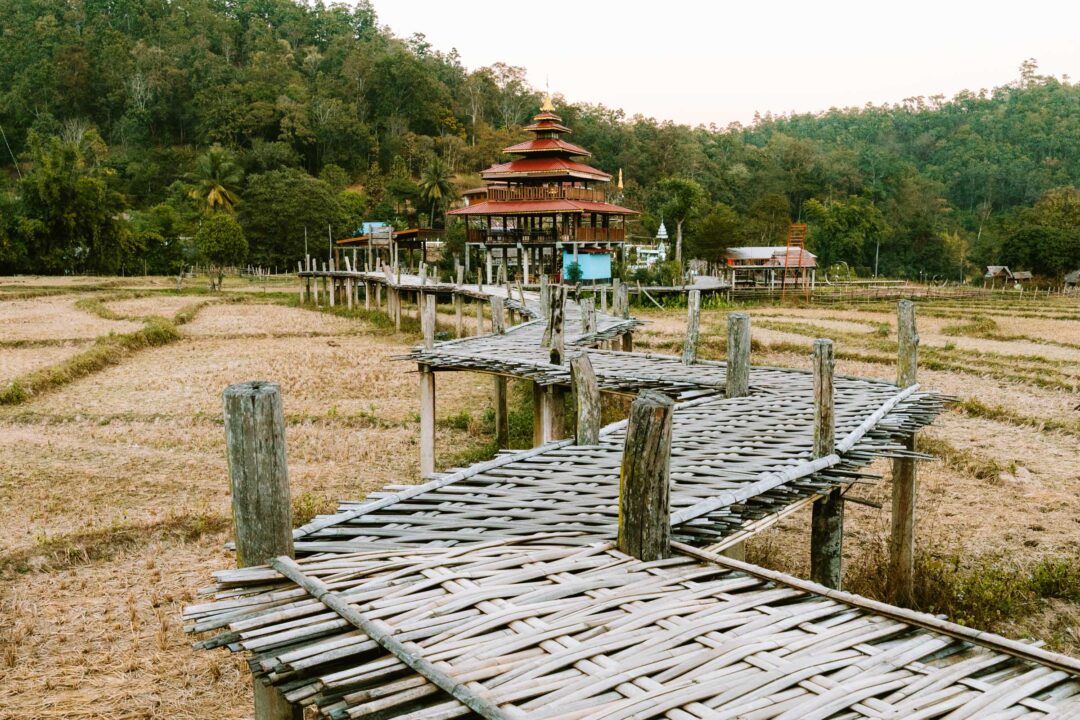
- Best place to wander around in Pai: Kho Ku So Bamboo Bridge
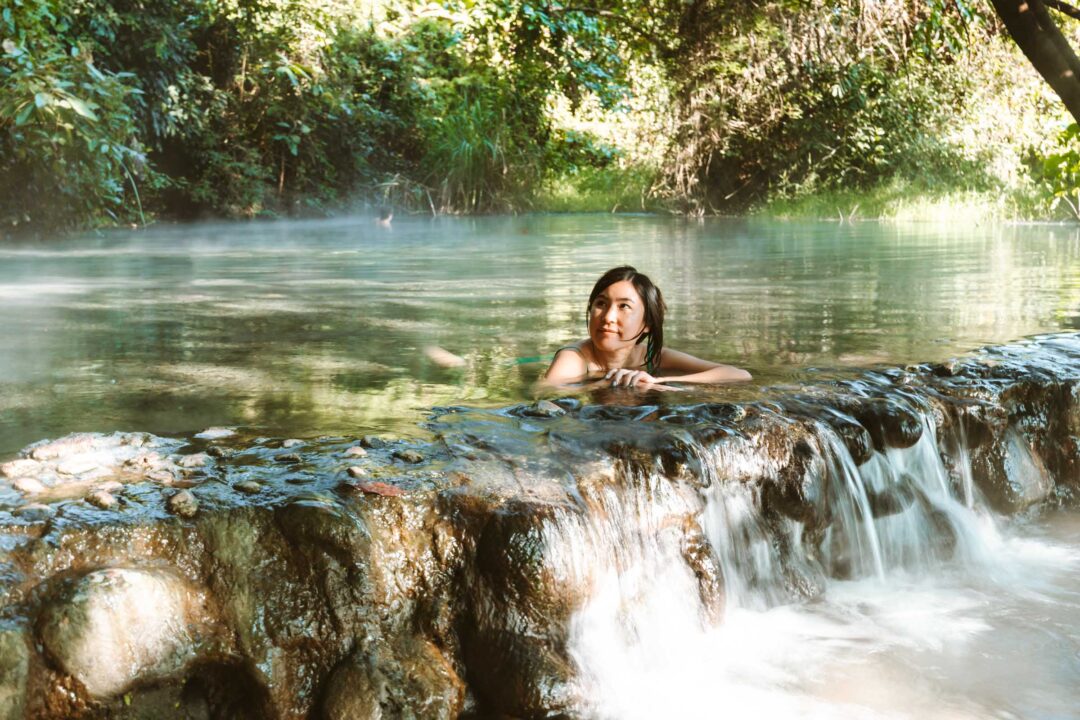
- Our favorite place to swim in Pai: Sai Ngam Hot Spring
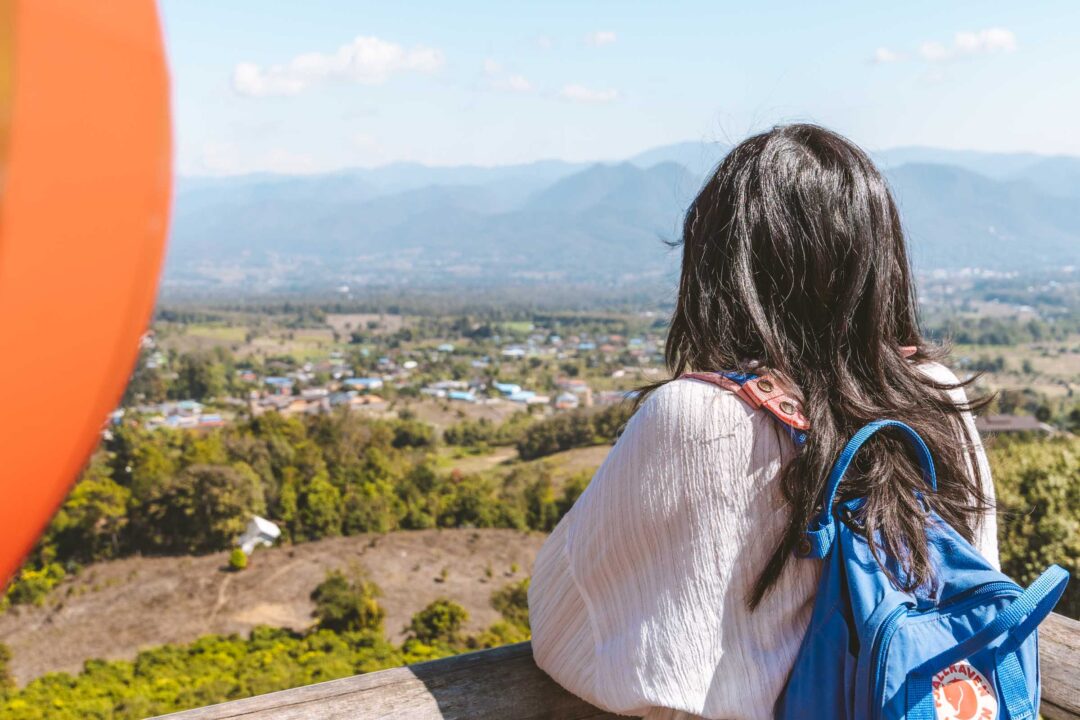
- Best sunrise views in Pai: Yun Lai Viewpoint
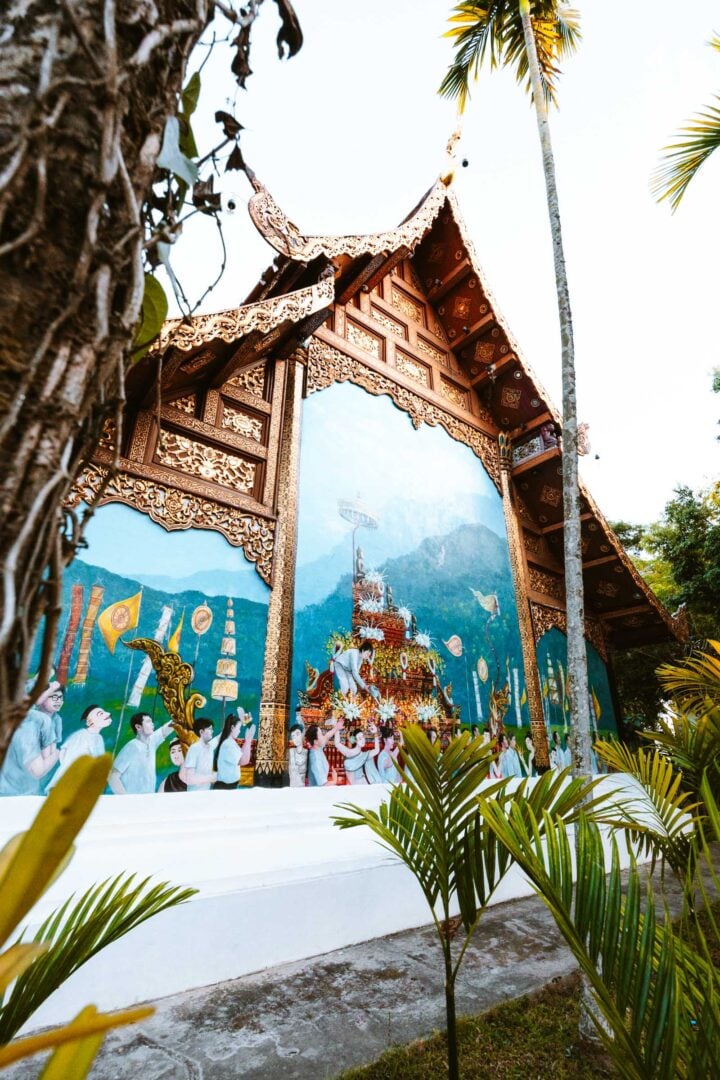
- Our favorite temple in Pai: Wat Sri Don Chai
- Best sunset in Pai: Pai Canyon
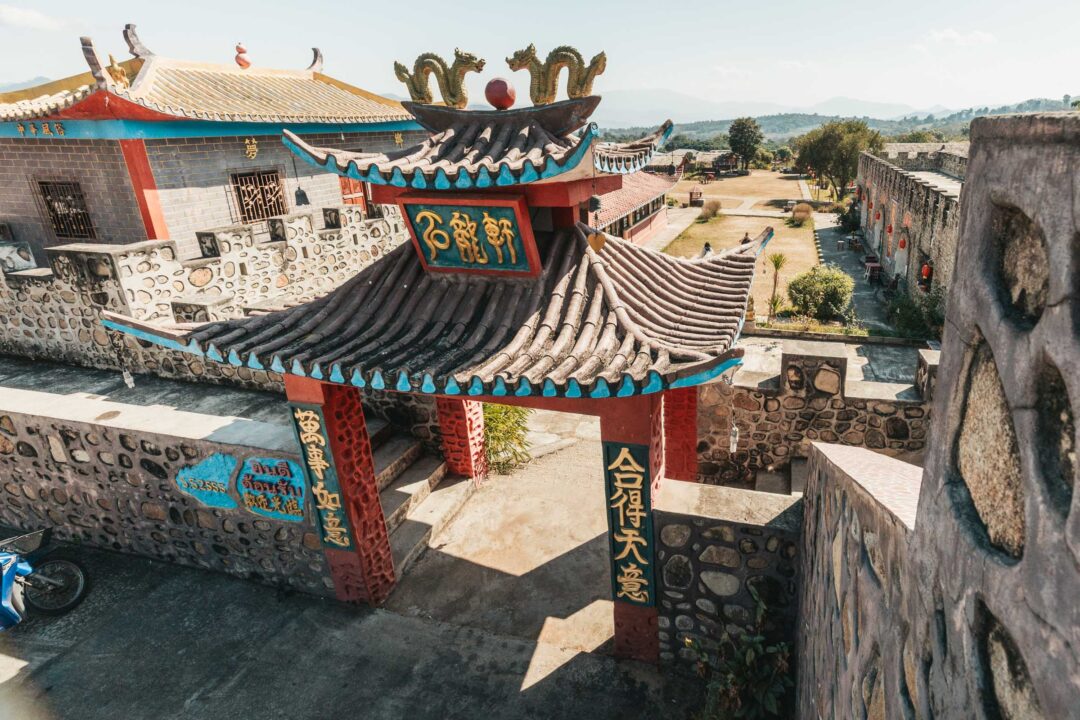
- Pai’s Chinese Cultural Village: Santichon Village

I hope you enjoyed our guide to the Big White Buddha in Pai. Feel free to leave a comment below if you have any questions 🐸


Yes, please : Want a free map of all of the locations mentioned in this post?